
When the Roman Empire collapsed, towns were invaded by Longobards who rapidly started to fortify their positions: a castle was built on the north side of Belluno. They somehow wanted to maintain autonomy over other cities that were starting to appear on the political scene of interest like Verona or Treviso.
Throughout the Medieval times, the city of Belluno started to get the base line over which it is developed today with the “Duomo” and other centres for commerce purposes like the one that is now called “Piazza delle Erbe”. The province of Belluno and its governors, took part in different fights to maintain their autonomy from Treviso’s, Verona’s and Padova’s aristocratic families really keen to annex to their territories the mountainous area.
Religious power embodied by the Counts-Bishops had also great influence on this matter, because the churches of Belluno and Feltre were against a possible annexation to other churches’ influences, because of the possibility of losing their power. In fact belluno and Feltre were unified under one same jurisdiction. This created lots of fights for influence, neither Feltre nor Belluno wanted the other to gain more power so they both wanted to nominate someone who did their own city’s interests.

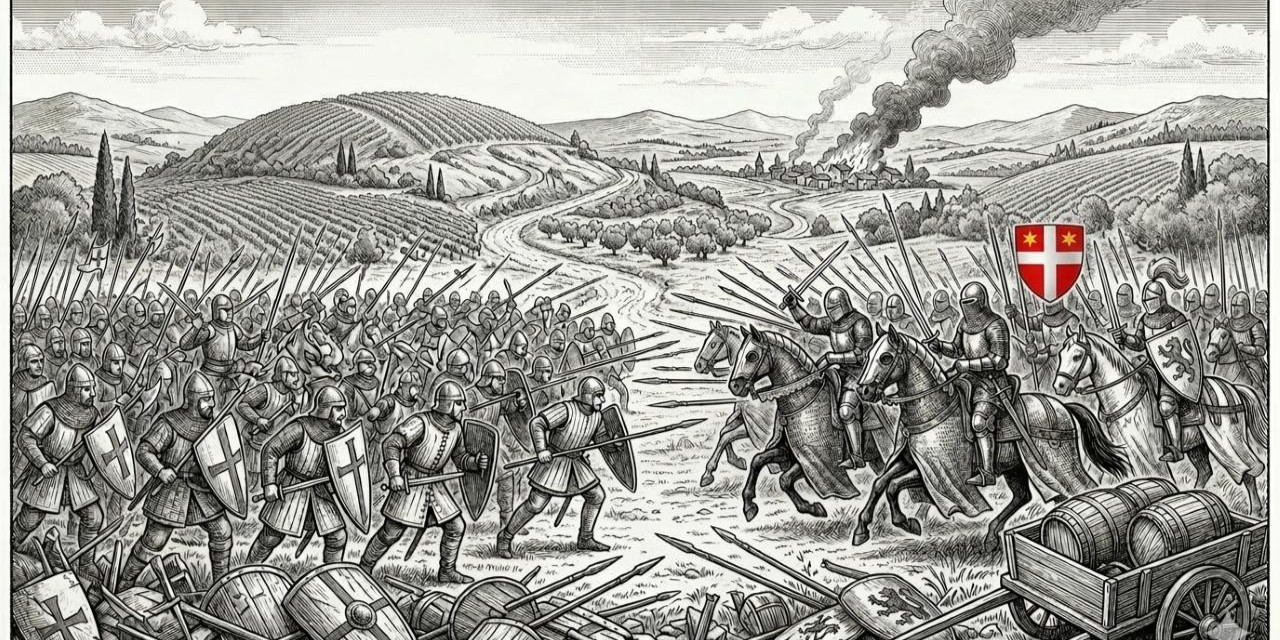
Although there were a lot of bloodbaths along the areas between Belluno, Feltre and the Valsugana with many casualties and injuries, these territories never lost their independence to intruders. They managed to keep a relative autonomy which became useful when they decided to join the Venetian Republic.
Many stories were told about the presence of knights from Belluno in the Crusades. Of course the stories became local folklore and were consequently exaggerated, but in the past few years many historians found traces of these knights. They assured a presence of people from Belluno in the Crusades, but definitely not in the big numbers as told in stories.



0 commenti